Feeding
How to make up formula and store breast milk safely
Make up formula safely with water of at least 70°C, what to do with leftovers, how long breast milk keeps in the fridge or freezer, and how to give a bottle.
Short answer
The NHS says to make up each formula feed fresh, using boiled water that has cooled for no more than 30 minutes so it’s still at least 70°C, and to throw away any formula left over after a feed. Expressed breast milk can be stored in the fridge for up to 8 days at 4°C or lower, or for up to 6 months in a freezer at -18°C or lower.
Bottles involve more rules than most new parents expect, and they’re often made by whoever is on duty: a partner at 2am, a grandparent at the weekend, a nanny on weekdays. This guide puts the key NHS advice on formula, breast milk storage and bottle feeding in one place, so everyone can follow it.
How do you make up a formula feed safely?
The NHS’s central rule is about freshness and water temperature:
Make up each formula feed fresh, using boiled water that has cooled for no more than 30 minutes so it is still at least 70°C.
Three details are worth repeating to anyone who makes bottles:
- Fresh, every time. Make up each feed when it’s needed.
- Boiled water, cooled for no more than 30 minutes.
- Still at least 70°C when you add the powder.
For the full step-by-step method, follow the NHS guide linked in the sources below and the instructions on your formula packet.
Can you save leftover formula?
No. The NHS is direct about this:
Throw away any formula that is left over after a feed.
It can feel wasteful, especially at night. Logging how much your baby usually takes can help you judge how much to make up next time.
How long can breast milk be stored?
Expressed breast milk keeps longer than many people expect. The NHS says:
Expressed breast milk can be stored in the fridge for up to 8 days at 4°C or lower, or for up to 6 months in a freezer at -18°C or lower.
A few habits make that easier to manage:
- Label every container with the date you expressed it.
- Use the oldest milk first, within the NHS limits above.
- Keep the fridge at 4°C or lower, and the freezer at -18°C or lower.
- Log each pumping session, so everyone knows what’s in stock.
For tracking pumping alongside breastfeeds, see which side did I feed on last.
How should you hold a baby for a bottle feed?
Whatever is in the bottle, the NHS gives the same advice on how to give it:
Hold your baby in a semi-upright position for bottle feeds, and never leave them alone to feed with a propped-up bottle.
This is especially worth sharing with grandparents and babysitters. Giving a bottle is a lovely moment to hand over, and an easy one to get right.
A bottle checklist for every caregiver
Stick this on the fridge or send it to whoever helps with feeds:
- Make up each formula feed fresh, with boiled water cooled for no more than 30 minutes (still at least 70°C).
- Throw away any formula left over after a feed.
- Breast milk: up to 8 days in the fridge at 4°C or lower, up to 6 months in the freezer at -18°C or lower.
- Hold your baby semi-upright, and never leave them alone with a propped-up bottle.
- Log the bottle: time, breast milk or formula, and how much.
Tracking bottles and amounts
A bottle log helps you see how much your baby takes across a day, spot changes over a week, and answer questions at appointments. It also stops two people giving a bottle half an hour apart because neither knew about the other. Feeding patterns are covered in how often a newborn should feed.
Never run out of formula, bottles or bags
Running out of formula or milk storage bags at night is a special kind of stress. Keep a short shared list of feeding supplies, with who is buying what, and agree a point at which to restock, before the last box.
Questions to ask your midwife or health visitor
If you’re new to bottles, it’s fine to ask for a demonstration. Questions worth writing down before your next visit:
- Can you show me how to make up a feed step by step?
- How much should my baby be taking at this age?
- How should we warm expressed breast milk, if at all?
- What should our nanny or grandparents know before giving a bottle?
How BabyLifeLog helps with bottles
In BabyLifeLog, a bottle takes a couple of taps: breast milk or formula, and the amount. Pumping sessions are logged the same way. Everyone in the family logs into one shared journal, so the last bottle is always visible, whoever gave it.
In Plan, your supplies list can remind you when formula, bags or nappies run low, and shared to-dos make it clear who is picking them up. Lumi’s morning note sums up yesterday’s feeds against your own last 7 days.
Frequently asked questions
What temperature should water be to make up formula?
The NHS says to make up each formula feed fresh, using boiled water that has cooled for no more than 30 minutes so it’s still at least 70°C.
Can I keep leftover formula for the next feed?
No. The NHS says to throw away any formula that is left over after a feed.
How long does breast milk last in the fridge?
The NHS says expressed breast milk can be stored in the fridge for up to 8 days at 4°C or lower.
How long can breast milk be frozen?
The NHS says expressed breast milk can be stored for up to 6 months in a freezer at -18°C or lower.
Sources
This article is general information, not medical advice. If you're worried about your baby, contact your midwife, health visitor, GP or paediatrician. In an emergency, call your local emergency number.
Keep reading
 Feeding
Which side did I feed on last? Tracking breastfeeding
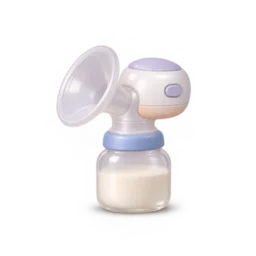
Can’t remember which breast you fed on last? How to track breastfeeding sides, feed times, pumping and stored milk, so anyone giving a bottle knows what to do.
 Feeding
How often should a newborn feed?
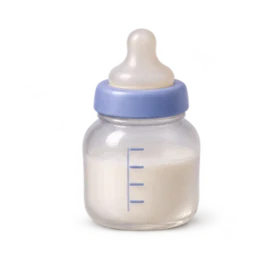
How often a newborn should feed in the first weeks, what responsive feeding means, and how to keep track of feeds day and night and share the night feeds.
 Tracking
What to track in your baby’s first year and why it helps
What to track in your baby’s first year (feeds, nappies, sleep, growth, temperature), how a log helps at check-ups, and how to choose a baby tracker app.